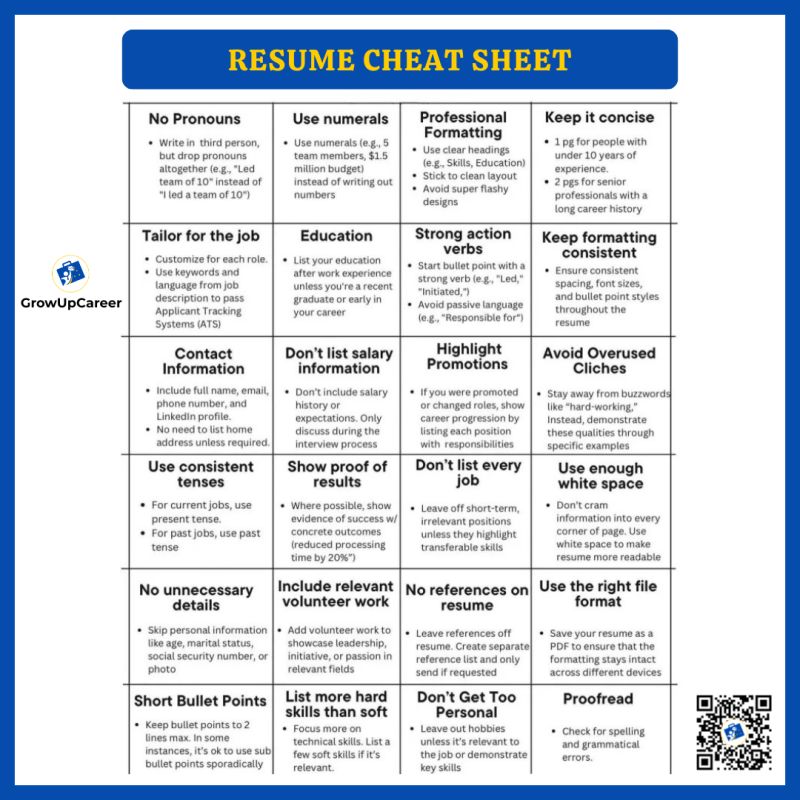
A Canadian resume sits between the American and British styles: usually two pages, focused on achievements and free of photos or personal details. For newcomers, the harder part is not formatting but translation, making experience gained in Dhaka, Lagos or Manila as easy for a Toronto hiring manager to read as experience from a Canadian firm.
The basics Canadian recruiters expect
- Two pages for experienced candidates, one for students and new graduates
- No photo, date of birth, marital status, religion or Social Insurance Number
- City and province in the header, your LinkedIn URL, and a Canadian phone number once you have one
- Canadian spelling, which keeps colour, centre and cheque but usually prefers organize and analyze
Translating foreign experience
Canadian readers will not know your previous employers, so give each a one-line context covering industry, size and market, such as "national FMCG distributor with 1,200 staff across Bangladesh". Then deal with job titles that mean something different in Canada. In many South Asian companies "Executive" is an entry-level title, while a Canadian reader may assume senior leadership, so keep your official title and add the closest Canadian equivalent in parentheses. Convert major budgets or revenue figures into approximate Canadian dollars, and replace local acronyms with plain descriptions.
Volunteer work, French and credentials
Volunteer experience carries real weight with Canadian employers, especially when it shows community involvement, so give it its own section with the same achievement-style bullets as paid work. If you speak French, state your level honestly; it matters in Quebec, in federal public service roles and in many customer-facing jobs, and federal positions assess second-language levels with their own tests. In regulated professions such as engineering, nursing or accounting, check which titles you may use before you are licensed in Canada, because designations like P.Eng. are legally protected. GrowUpCareer prepares your resume, cover letter and LinkedIn profile; we do not give immigration advice.
Where to apply
Job Bank, run by the Government of Canada, lists vacancies from employers across the country, and many employers also post on LinkedIn, Indeed and their own career sites. Larger employers commonly use applicant tracking systems, so check your file with the free ATS resume checker and pair each application with a targeted cover letter.
FAQ
Do Canadian employers want references on the resume?
No. Prepare a separate list, ideally with at least one referee who can be reached during Canadian business hours, and share it when asked, usually near the offer stage.
Should I mention a credential evaluation?
If you have one, you can add the Canadian equivalent beside your degree, for example "Bachelor of Business Administration (evaluated as equivalent to a Canadian bachelor's degree)". It helps recruiters who are unsure how to read a foreign qualification.
How do I explain a gap after moving to Canada?
One honest line is enough, such as "Relocated to Canada; completed a project management certificate and volunteered with a settlement agency". Recruiters understand newcomer transitions, and an explained gap raises far fewer questions than an unexplained one.
Is a resume the same as a CV in Canada?
For most jobs, yes, and Canadians usually say resume. CV normally refers to the longer academic document used for university, research and medical positions.