A career change resume has to answer the question every recruiter will ask: why hire someone from outside the field? The strongest answer is a hybrid resume that leads with transferable skills and recent bridging work, followed by an honest work history. A rewritten LinkedIn headline and a few conversations with people already in the field do the rest.
Map your transferable skills
Collect ten job ads for the target role, list the skills most of them share, and match each one to evidence from your current career.
| Target skill | Evidence from a previous career |
|---|---|
| Stakeholder management | Teacher running parent meetings and school committees |
| Data analysis | Bank officer building Excel trackers for loan performance |
| Project coordination | Event planner delivering to fixed budgets and dates |
Use the vocabulary of the new field. A teacher moving into instructional design should write "designed learning materials for 120 students" rather than "taught Class 8 science".
Use a hybrid format
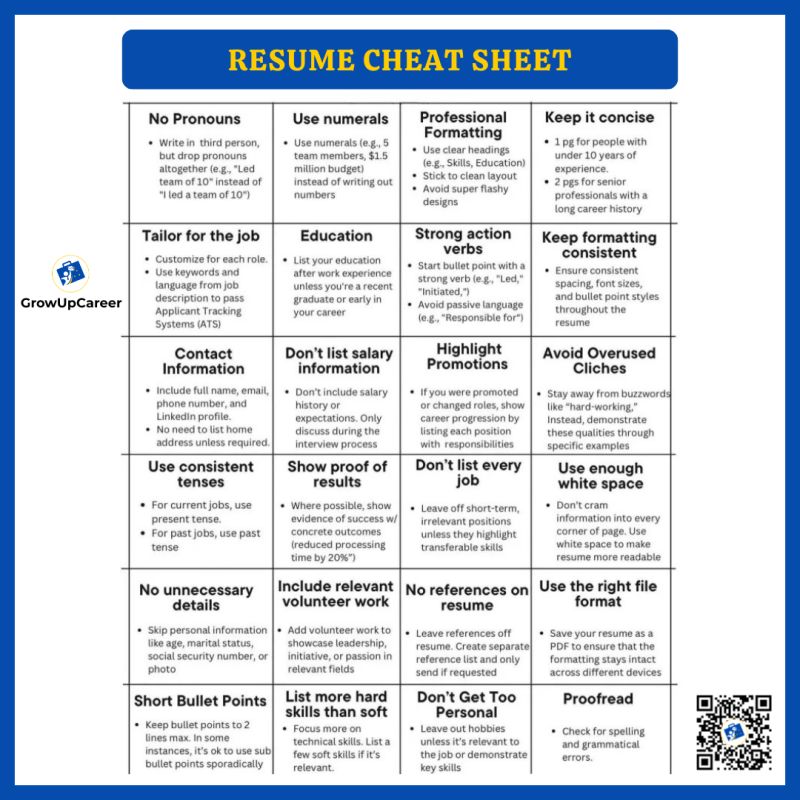
A purely functional resume, with skills but no dates, tends to make recruiters suspicious and can confuse applicant tracking systems. A hybrid layout keeps the timeline but puts relevant skills first:
- A summary that names the target role
- Relevant skills and projects, with three to five evidence-based bullets
- Work history with dates, rewritten around transferable results
- Education, certifications and training
Build a bridge before you apply
Employers trust recent, relevant proof, and one or two bridging projects done to a professional standard usually outweigh a long list of course certificates.
- Example: A sales executive moving into digital marketing runs paid social campaigns for a friend's shop for three months and documents the cost per lead.
- Example: An accountant moving into data analysis builds a Power BI dashboard from public trade data and publishes a short write-up.
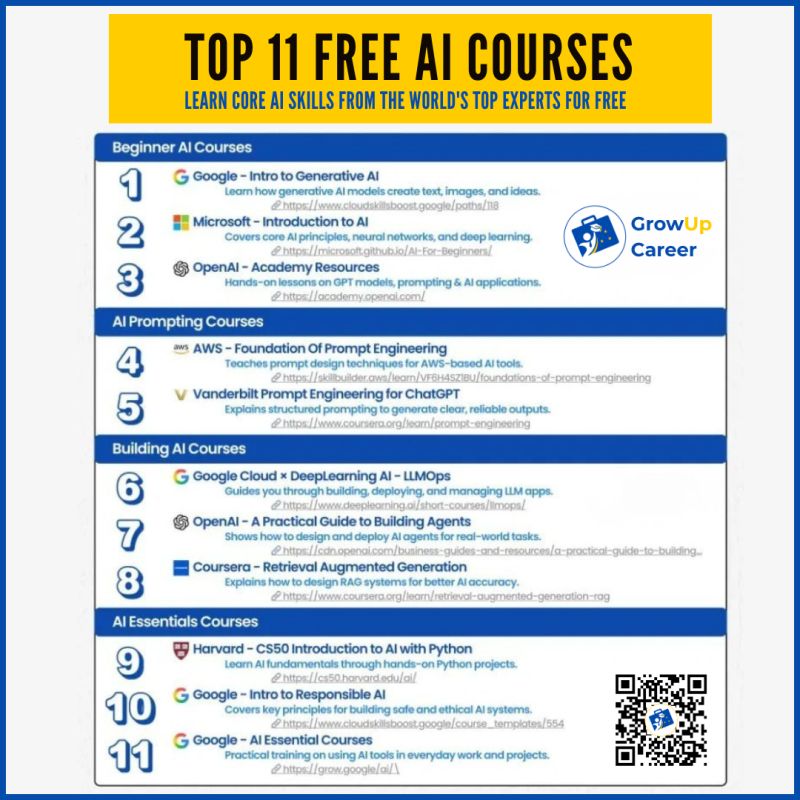
Where employers do screen for certifications, our list of free AI courses with certificates is a low-cost place to start.
Rewrite your headline and talk to people
Point your LinkedIn headline at the new direction, backed by your background, for example "UX Researcher in Training - 6 Years in Customer Support - 3 Case Studies". The LinkedIn headline generator helps draft options. Then book informational interviews: short conversations with people already doing the job about what matters in the first year and how their team hires. Ask for advice, not a job. Our career coaching and career change service helps with the plan and the positioning.
FAQ
Can I change careers without a new degree?
Often, yes, in fields such as marketing, sales, operations, data analysis and project coordination, where skills and portfolios carry weight. Regulated professions such as nursing, engineering and law require the formal qualification.
How do I explain a career change in an interview?
Use three short parts: what you did before, what drew you to the new field and the proof you have already built. Keep it forward-looking and never criticize your previous employer.
Will I have to start again at entry level?
Not always. Where your background is directly useful, such as a nurse moving into healthcare operations or a banker moving into fintech, you can often enter above entry level.