A nursing or healthcare CV is checked against a short list of essentials before anyone reads further: a current registration or licence, your clinical areas and valid life-support certifications. Put those where a nurse manager can confirm them in seconds, then show the clinical depth behind them, from unit types and patient loads to procedures and continuing professional development (CPD).
Registration and certifications first
Place a short registration and certifications section directly under your summary.
- Registration: the regulator, your registration or licence number and renewal date, for example Registered Nurse, Bangladesh Nursing and Midwifery Council
- Life support: BLS, ACLS or PALS, with the issuing organization and expiry date
- Other training: infection prevention and control, IV cannulation, wound care or specialty courses
Renew or remove expired certificates. A lapsed BLS date is one of the first things a nurse manager notices.
Clinical experience with scope
For each role, give the hospital type, unit, bed numbers and usual patient load, then the procedures and responsibilities that matter for the target job.
- Example: "Staff Nurse, 32-bed medical ward in a tertiary hospital in Dhaka; cared for 6–8 patients per shift and acted as shift lead twice a week."
- Example: "ICU Nurse, 12-bed adult intensive care unit; managed ventilated patients, arterial lines and vasoactive infusions; oriented four newly qualified nurses."
- Example: "Introduced an independent double-check for high-alert medications on the ward; the practice was later adopted by two other units."
Patient ratios and acuity tell an employer how much responsibility you carried.
Rotations, CPD and specialties
Newly qualified nurses should list clinical placements like short roles: hospital, department, duration and skills practised, highlighting anything beyond the basics, such as emergency or operating theatre experience. Experienced staff should list CPD from the last three years, including workshops, short courses, conferences and in-service training. If you are targeting a specialty such as critical care, oncology, dialysis or neonatal care, move the related training and experience to the top.
Applying for healthcare roles abroad
Each country has its own registration process, such as the Nursing and Midwifery Council in the UK, and English-language or competency tests may apply. Confirm requirements on the regulator's official website and adapt your CV to that country's format. GrowUpCareer prepares your CV, cover letter and interview practice, but does not provide visa or immigration advice.
FAQ
Should I include my registration number on my CV?
Yes, along with the regulator's name and the renewal date. Employers verify registration early, and having the details ready speeds up that step.
Which life-support certifications matter most?
Current BLS is widely expected for hospital roles. ACLS is common in critical care, emergency and cardiac units, and PALS in paediatric settings. Show each with its expiry date.
How should I prepare for a nursing interview?
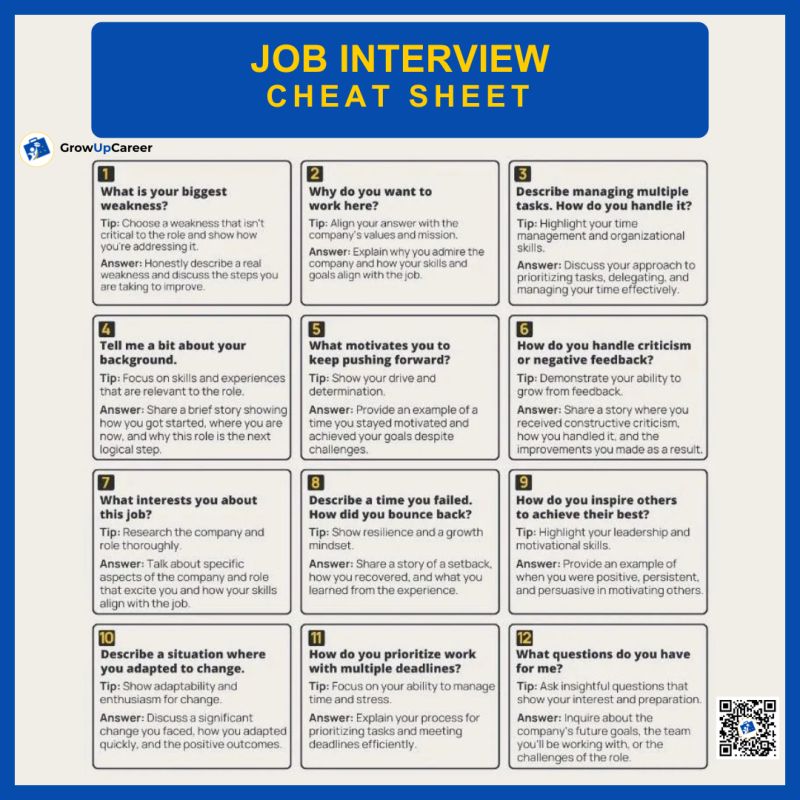
Expect scenario questions about deteriorating patients, medication errors and difficult conversations with families. Prepare short, structured answers with the STAR method and practise them aloud.