Key takeaways
- STAR stands for Situation, Task, Action, Result. Use it whenever a question starts with "Tell me about a time" or "Give me an example".
- Spend most of the answer on your Action, told in first person, and end with a specific result plus what you learned.
- Keep each answer to 90 seconds to two minutes. Situation and Task together should take about 20 seconds.
- Prepare six to eight real stories covering problem solving, conflict, leadership, failure, deadlines, and learning, then adapt them to each question.
- Freshers can use university projects, internships, part-time jobs, tutoring, clubs, and volunteering. The structure matters more than the setting.
How the STAR method works
Behavioral questions assume that how you handled a real situation says more than how you would handle a hypothetical one. STAR keeps your answer focused on that evidence.
- Situation: the context in one or two sentences, including what was at stake.
- Task: your responsibility or goal.
- Action: what you did, step by step. Say "I", not "we", and include your reasoning.
- Result: what happened, with a number if possible, and one line on what you learned.
A useful split is roughly 20% Situation and Task, 60% Action, and 20% Result. Expect follow-ups such as "What would you do differently?", so only use stories you can discuss in detail.
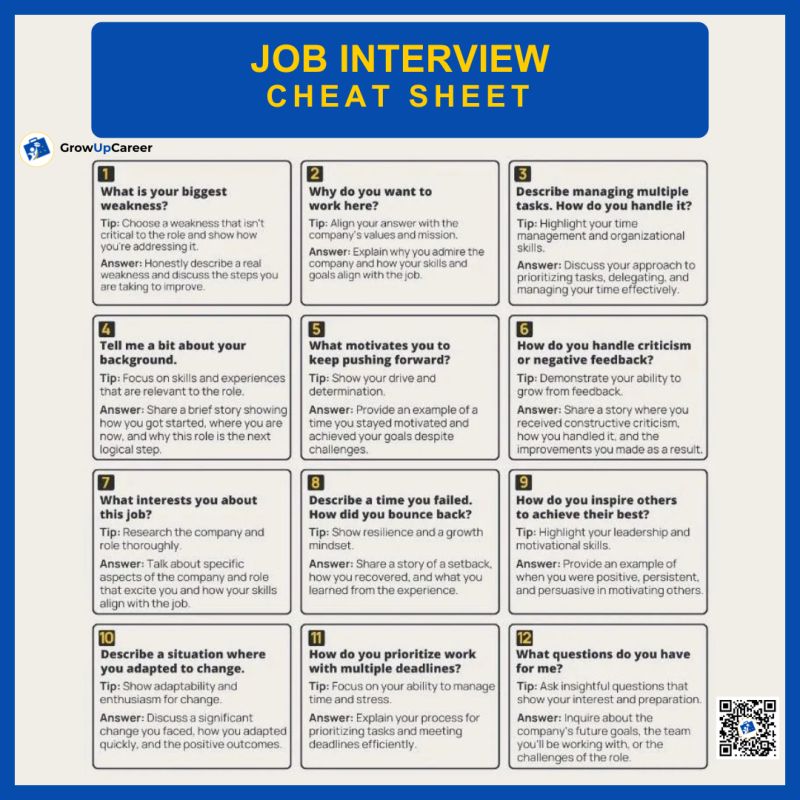
10 common questions with model answers
Use these condensed models for structure, then replace every detail with your own.
1. Tell me about a time you solved a difficult problem.
Experienced: "Our monthly sales report took finance three days because data came from four regional spreadsheets in different formats. I was asked to cut that before the quarterly board meeting. I mapped every field, built a Power Query flow to clean and merge the files, and agreed one input template with the regional managers. The report now takes about four hours, and the board pack went out two days early. Fixing the input mattered more than any formula."
Fresher: "Our final-year project's survey app crashed whenever more than 30 classmates submitted at once. As backend lead, I had to fix it before the demo. I load-tested it, found we opened a new database connection for every request, and added connection pooling. It handled 200 test submissions without errors, and our supervisor later used it for course feedback."
2. Tell me about a time you made a mistake.
"In my first month as a junior executive, I sent a client last year's supplier price list. I noticed within an hour, called the client, and sent the correct list. With my manager's approval, we honored the old price on that order. I then set up a file-naming rule and a short pre-send checklist I still use, and it hasn't happened again."
3. Describe a conflict with a teammate.
Fresher: "A group-project teammate kept missing deadlines, and the others wanted to report him. I talked to him privately and learned he worked evening shifts. We moved his tasks to research he could do in the mornings, and the rest of us took the evening editing. We submitted on time and got the top grade in our section."
Experienced: "A sales lead wanted faster discount approvals, and I was responsible for margins. Instead of escalating, I pulled six months of deal data and showed that only large discounts hurt margins. We agreed on automatic approval below 5% and a 24-hour review above it. Approval time fell from three days to one, and margins held."
4. Tell me about a time you led without formal authority.
"During our CRM migration, I wasn't the project manager, but nobody owned user training. I offered to run it, recorded short videos for each workflow, and held two drop-in sessions a week. Launch-week support tickets came in well below IT's forecast, and the videos were reused for the next branch's rollout."
5. Tell me about a time you worked under a tight deadline.
Fresher: "Two days before a case competition deadline, we found errors in our financial model. I split it into sections, gave each teammate one to check against the source data, and rebuilt the summary sheet myself overnight. We submitted three hours early and reached the national final."
Experienced: "A client moved a launch forward by a week, halving our campaign timeline. I cut the plan to the three channels that drove most sign-ups last time, reused tested ad formats, and ran daily 15-minute check-ins. We launched on the new date and reached 85% of the original lead target in the first month."
6. Tell me about a time you handled a difficult customer.
"A corporate client called, angry that a delayed shipment would stop his production line. I let him finish, confirmed what he needed and by when, and admitted the delay was ours. I arranged a partial delivery from another warehouse within 24 hours and sent a status update every morning until the full order arrived. He renewed his annual contract two months later."
7. Tell me about a time you had to learn something quickly.
"When Universal Analytics stopped processing data in 2023, I had three weeks to move our tracking to GA4 with no prior experience. I completed Google's free training and rebuilt our conversion events in a test property first. We switched over with no gap in reporting, and I trained two colleagues to maintain it."
8. What achievement are you most proud of?
"Customer churn was rising, and nobody knew why. I interviewed 20 customers who had cancelled and found most left within 60 days because setup was confusing. I redesigned the onboarding emails and added a 15-minute setup call for new accounts. Over two quarters, early cancellations fell by about a third. The fix came from listening, not guessing."
9. Tell me about a time you disagreed with your manager.
"My manager wanted to drop our customer newsletter to save time. I believed it drove repeat orders, so I asked for a week to check. Matching newsletter clicks to orders showed it was linked to about a quarter of repeat purchases. I suggested a shorter monthly version instead, and she agreed. I've learned to disagree with data, then fully commit to the decision."
10. Tell me about a time you used data to make a decision.
"Delivery complaints in Dhaka were rising, and I was asked to recommend a fix. I tagged three months of complaints by area and courier and found most came from two zones served by one partner. I proposed a trial with a second courier there. Complaints in those zones dropped by half within six weeks, and the change became permanent."
Mistakes that weaken STAR answers
- Too much setup. If the Situation takes a minute, you lose the interviewer before the point.
- "We" all the way through. They are hiring you, so make your part clear.
- A vague result. "It went well" is not a result. Give a number, a decision, or an outcome.
- Borrowed or invented stories. Follow-up questions expose them quickly.
- Reciting a script. Memorize the structure and key numbers, not the wording.
How to prepare in one evening
- List the six to eight competencies the job description emphasizes.
- Write one story per competency as short bullet notes, each with a number or concrete outcome in the Result.
- Say each answer out loud, record it, and trim it to under two minutes.
- Rehearse with the free interview question practice tool, or book mock interviews with feedback for a realistic run-through.
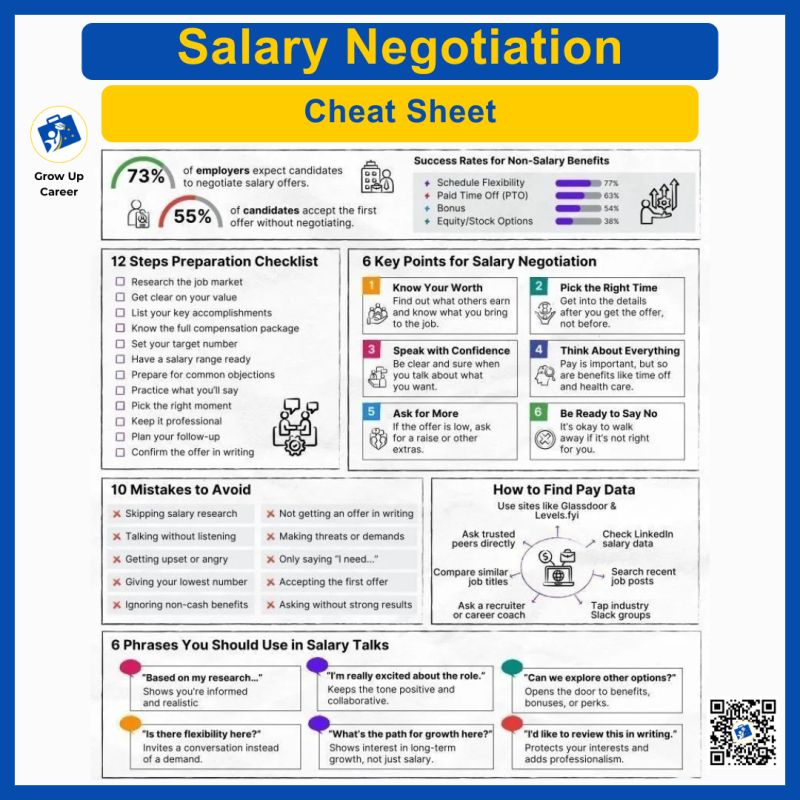
When the interviews go well, prepare for the pay conversation with our salary negotiation scripts.
FAQ
Can I use the same story for more than one question?
Yes, if you shift the emphasis, for example from problem solving to teamwork. Just avoid repeating a story within the same interview.
What if I have no work experience?
Use university projects, internships, part-time jobs, tutoring, clubs, volunteering, or a family business. Interviewers want to see how you think and act, not where it happened.
How long should a STAR answer be?
Around 90 seconds to two minutes. If the interviewer wants more, they will ask.